

One thing I’ve learned over the years is that science and policy don’t always move at the same speed.
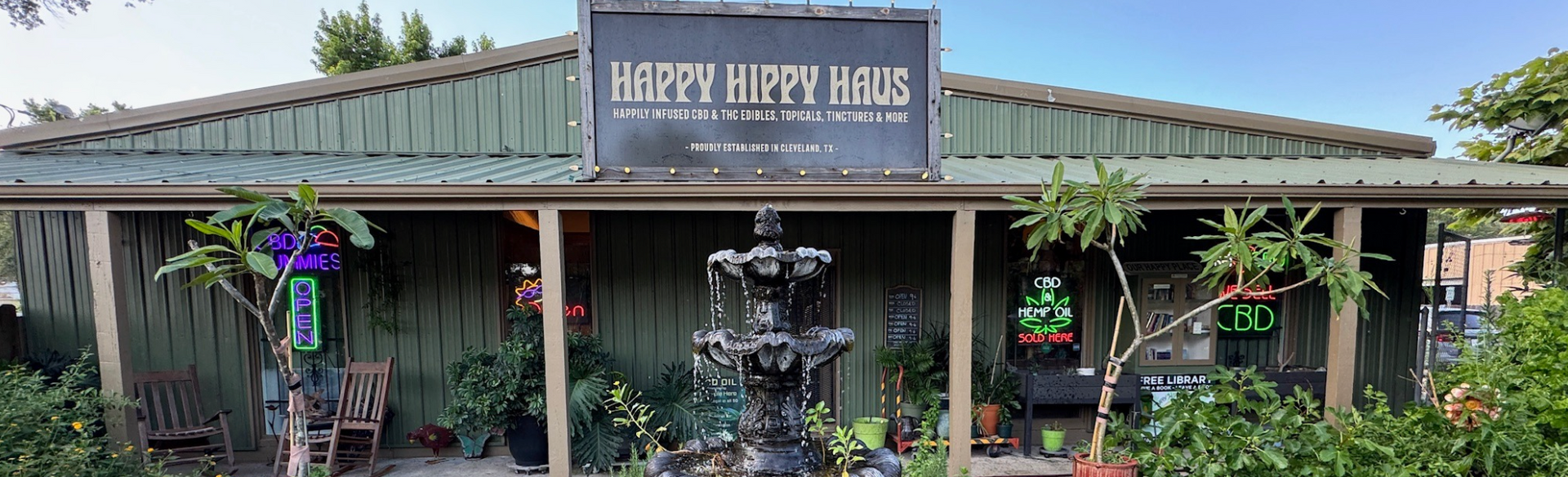
At Happy Hippy Haus, I see this disconnect play out every day. On one side, there are people looking for natural, plant-based options because what they’ve tried before hasn’t worked for them. On the other side, there are regulations that often lag behind the research, the lived experiences, and the real outcomes people are seeing.
Understanding this gap matters, especially here in Texas.
Texas Regulations and the Reality on the Ground
Texas has some of the most complex and frequently changing regulations when it comes to hemp-derived wellness products. Staying compliant requires constant documentation, testing, and adjustment. It’s not a “set it and forget it” industry.
I started in 2018, when very few people were offering full-spectrum hemp products. The early days were challenging, not because people didn’t want access, but because there was so much confusion and stigma. Over time, trust built through education and word of mouth. That hasn’t changed.
What has changed is the uncertainty. Laws shift. Language changes. Businesses are often left reacting instead of planning. This makes long-term growth difficult, not because the science disappeared, but because policy hasn’t caught up.
Barriers to Access Aren’t Just Legal
They’re Informational
One of the biggest barriers I see isn’t regulation alone. It’s misinformation.
People come in carrying fear, assumptions, or half-truths they’ve heard online or in the news. Some assume anything plant-based is unsafe. Others assume stronger is better. Neither is true.
When access is restricted or confusing, people don’t stop looking for solutions. They just look in less informed places. That’s where problems happen.
Education reduces harm far more effectively than restriction ever could.
Government vs Science
Why the Gap Exists
Science evolves through research, observation, and repetition. Policy moves through legislation, lobbying, and timelines that don’t always align with discovery.
Researchers have been studying the endocannabinoid system for decades. This system exists in all mammals and plays a role in balance, regulation, and internal stability. That science didn’t suddenly appear when laws changed. It was already there.
The challenge is that large systems move slowly. When something doesn’t fit neatly into existing pharmaceutical or regulatory frameworks, it often faces resistance, not because it lacks value, but because it disrupts the status quo.
Can Natural Alternatives Disrupt Pharmaceuticals?
I believe they already are.
That doesn’t mean replacing medicine entirely. It means offering options. Many people who walk through my door aren’t trying to abandon healthcare. They’re trying to reduce reliance, manage side effects, or support their bodies in a way that feels more sustainable.
Prohibition didn’t start because plants didn’t work. It started because they couldn’t be controlled, patented, or scaled the same way synthetic alternatives could.
If given the opportunity, natural wellness options could continue to reduce dependence on certain pharmaceuticals and even alcohol. Not because they’re a cure-all, but because they address balance instead of masking symptoms.
Where Education Fits In
No law can replace informed choice.
What I’ve seen over and over again is that when people understand what they’re using, why they’re using it, and how to use it responsibly, outcomes improve. Anxiety drops. Misuse drops. Fear drops.
That’s why education will always be at the center of what we do here.
Regulations may change. Access may shift. But the need for honest, grounded information doesn’t go away.
Final Thought
This industry isn’t complicated because the science is unclear. It’s complicated because systems haven’t caught up.
Until they do, education remains the bridge between policy and people. And that bridge matters more than ever.
Sources & Further Reading
• CANNABIDIOL (CBD) Critical Review Report Expert Committee on Drug Dependence Fortieth Meeting