

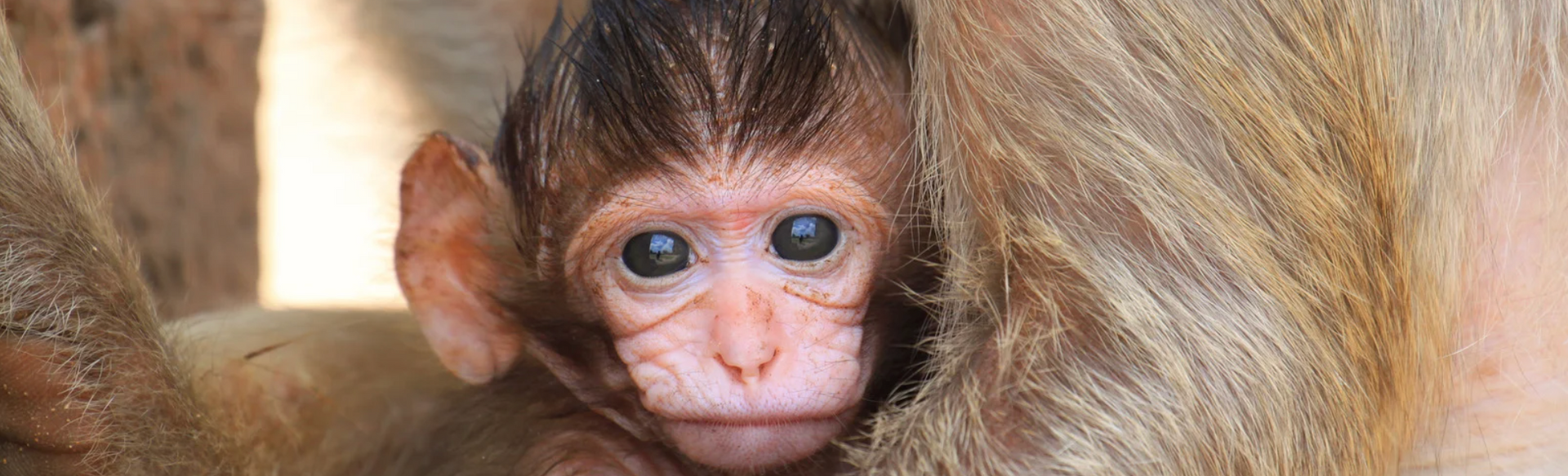
CBD and Epilepsy in Exotic Animals
What I Recommend and Why
I was recently asked a thoughtful question.
“I have a spider monkey. He’s 8 months old and was recently diagnosed with epilepsy. Do you have anything that could help?”
When someone reaches out about seizures, especially in a young animal, my goal is always the same. Share what I know. Stay grounded in science. And guide responsibly.
Let me walk you through how I approach this.
Start With the Right Standard
Epilepsy is a neurological condition. That automatically raises the level of care required. This is not a casual wellness conversation. This is medical territory.
For nonhuman primates, including spider monkeys, there are currently no established clinical studies showing that CBD is safe and effective for epilepsy treatment in that species. There are pharmacokinetic and toxicology studies in certain primates, meaning researchers have examined how CBD is processed in the body and what higher doses may do. But there are no controlled seizure reduction trials like we see in dogs.
Because of that, my recommendation is clear.
If you are caring for a primate with epilepsy, this must be managed with an exotics veterinarian and ideally a veterinary neurologist. There is not enough seizure specific research in primates to responsibly recommend CBD without veterinary oversight.
Where Research Does Exist
Now let’s talk about where evidence is stronger.
Dogs
Dogs currently have the most research behind them when it comes to CBD and epilepsy.
Multiple peer reviewed clinical studies in dogs with idiopathic epilepsy suggest CBD may help reduce seizure frequency in some cases when used alongside standard anti seizure medications. It is important to emphasize that in these studies, CBD was evaluated as an adjunct therapy, not a replacement.
Some dogs experienced fewer seizures compared to placebo groups. However, studies also noted that liver enzyme elevations can occur in some dogs, which is why veterinary supervision and bloodwork monitoring are recommended.
So in dogs, CBD has been known to help reduce seizure frequency in certain cases under veterinary guidance.
That is evidence based.
Cats
Cats have growing research around safety and absorption, but epilepsy specific clinical trials are far more limited. That places cats in a veterinarian guided category as well. There simply is not the same level of seizure focused data as we have in dogs.
Horses
Equine research has primarily focused on pharmacokinetics and tolerability, not seizure reduction. So at this time, it would not be accurate to say CBD is clinically supported for equine epilepsy.
Why Primates Are Different
Nonhuman primates are not small dogs. Their metabolism, neurological systems, and sensitivity to compounds can differ significantly.
Existing primate research largely focuses on how cannabinoids move through the body and toxicology thresholds, not therapeutic seizure outcomes. Without established dosing guidelines or controlled epilepsy trials, recommending CBD for a primate with seizures would be stepping beyond the evidence.
That is why my recommendation is firm. Work with your exotics veterinarian first.
The Principles I Stand On
When seizures are involved, these rules do not change.
Always consult a veterinarian before introducing anything new, especially if the animal is on anti seizure medication.
Never position CBD as a replacement for prescribed seizure treatment.
Use language responsibly. CBD may help reduce seizure frequency in certain species where research supports it. It has been known to help some animals under proper supervision. It is not a guarantee.
Understand that most effects are species specific and dose dependent.
And always prioritize quality and transparency if a veterinarian does decide to incorporate it into a treatment plan.
Education Over Assumption
My role is not to promise outcomes. My role is to educate.
If someone caring for a spider monkey with epilepsy reaches out, I will always do what I can to help. That help starts with clear guidance and responsible boundaries.
For dogs, there is meaningful research showing CBD may help reduce seizure frequency in some cases when used appropriately.
For primates, that level of evidence does not yet exist.
That is the difference.
And being clear about that difference is how we protect animals, protect families, and protect the integrity of this space.
If you ever have questions about your animal and whether something is appropriate, you are welcome to reach out. I am here to guide responsibly, not react emotionally.
Till next time!
-Sam
Sources
American Veterinary Medical Association. Cannabis use and pets guidance.
Frontiers in Veterinary Science. Reviews discussing cannabinoid research gaps in nonhuman primates.
Toxicological Sciences. Pharmacokinetics of CBD and metabolites in nonhuman primates.