

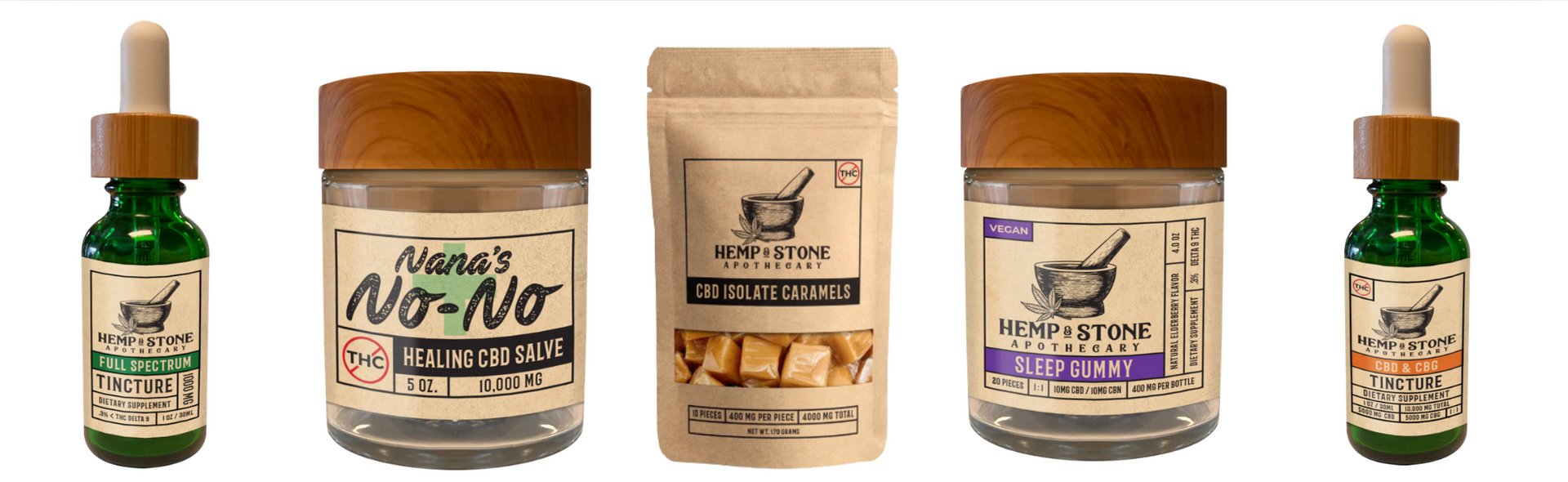
One of the most common questions I hear is, “What’s the fastest way to take CBD?” Right behind it is, “How do I know how much to use?”
Both are good questions. And both deserve honest answers that don’t rely on hype, fear, or one-size-fits-all advice.
The truth is, there isn’t a single “best” way or a universal dose. The right approach depends on what you’re experiencing, how your body responds, and how the product is made.
Let’s break it down in a way that actually makes sense.
Fastest Doesn’t Always Mean Best
But Here’s What Absorbs the Quickest
Based on both research and years of guest feedback, absorption speed generally follows this order:
-
Inhalation (fastest)
-
Sublingual tinctures
-
Topicals
-
Edibles
-
Capsules (slowest onset, longest duration)
That said, fast doesn’t automatically mean effective.
Sublingual Oils
Placed under the tongue, oils absorb through the mucosal tissue and enter the bloodstream more directly than edibles. This method allows for measured intake and relatively quick onset, which is why it’s often a starting point.
Topicals
Topicals don’t enter the bloodstream the same way. They interact locally, which makes them a solid option for targeted discomfort without systemic effects. Many people prefer this route because it’s straightforward and low commitment.
Edibles
Edibles must pass through digestion, which means onset is slower and effects can vary depending on metabolism, stomach contents, and formulation. This is also where consistency becomes important. Heat, mixing, and ingredient quality all influence reliability.
Capsules
Capsules offer convenience and consistency, but they take longer to notice because they rely entirely on digestion. For some, that steady release is exactly what they’re looking for.
How Much Is Enough?
There is no universal dose. Period.
What works for one person may do very little for another. Factors that matter include:
• Body chemistry
• Sensitivity
• Lifestyle
• The reason someone is using it
• Delivery method
• Product quality and testing
In practice, many adults find around 50mg per day to be a reasonable starting point when using oils, capsules, or similar formats. From there, adjustments are made slowly and intentionally.
The key isn’t chasing a number. It’s paying attention.
I encourage people to:
• Start low
• Track how they feel
• Increase gradually
• Keep notes
Control and consistency matter more than potency.
Why Terpenes and Formulation Matter
Not all CBD products are the same, even at the same milligram amount.
Certain terpene profiles may align better with specific experiences. For example, some terpene combinations are commonly associated with relaxation, while others feel more grounding or balancing. This is why listening to what someone is experiencing matters more than guessing.
I don’t recommend based on trends. I listen, compare experiences, and reference feedback from others who’ve walked a similar path. That’s how responsible guidance works.
Are There Long-Term Risks?
The most common “risk” I hear reported is feeling better and spending money to maintain that consistency.
From available research, CBD is generally well tolerated by adults when products are properly tested, accurately labeled, and used responsibly. As with anything, moderation and awareness matter. Taking breaks, adjusting dosage, and being honest with yourself are part of long-term responsibility.
No product should replace foundational health habits like sleep, nutrition, hydration, and stress management. This is a support tool, not a shortcut.
So… What’s the Best Method?
There isn’t one.
The best method is the one that:
• Fits your lifestyle
• Feels manageable
• Allows consistency
• Is properly tested
• Aligns with your goals
That answer looks different for everyone, and that’s not a flaw. It’s biology.
Final Thought
The biggest mistake people make is assuming faster, stronger, or more expensive automatically means better. It doesn’t.
Education, quality, and listening to your body will always outperform guessing.
Research & Educational Resources
• World Health Organization (WHO) – Cannabidiol (CBD) Critical Review Report
• National Institutes of Health (NIH) – Cannabinoids and the Endocannabinoid System
• Harvard Health Publishing – Cannabidiol (CBD): What We Know and Don’t Know
• Frontiers in Pharmacology – Cannabinoids and Pain Management
• Journal of Clinical Medicine – Safety and Tolerability of Cannabidiol