

Why the Words We Use Matter
Let’s talk about something that comes up often in conversations at the Haus.
Hemp. Marijuana. CBD. THC.
Sometimes these words get used interchangeably, and sometimes they get misunderstood entirely. If you’re going to explore plant-based products or cannabis in any form, it helps to understand what these terms actually mean.
Education always comes first.
Hemp vs Marijuana
Both hemp and marijuana come from the same plant species, Cannabis sativa. The difference between them is not the plant itself but the chemical composition, specifically how much THC the plant contains.
In the United States, hemp is legally defined as cannabis containing 0.3 percent Delta-9 THC or less by dry weight. Marijuana refers to cannabis plants that contain more than 0.3 percent Delta-9 THC.
That legal distinction was established through the 2018 Farm Bill, which allowed hemp and hemp-derived products to be cultivated and sold under certain regulations.
Even though they come from the same plant family, hemp and marijuana are typically grown for different purposes. Hemp is commonly cultivated for cannabinoids like CBD, fiber, seeds, and other industrial uses. Marijuana plants are typically grown for higher THC content.
CBD vs THC
Now let’s talk about the two cannabinoids people hear about most often.
CBD stands for cannabidiol.
THC stands for tetrahydrocannabinol.
Both compounds interact with the body’s endocannabinoid system, which plays a role in regulating balance across areas like mood, sleep, inflammation response, appetite, and stress signaling.
The key difference between the two is how they interact with receptors in the brain.
THC binds directly to receptors in the central nervous system, which is why it produces intoxicating or euphoric effects.
CBD interacts more indirectly with the body’s signaling systems and does not produce intoxication.
Because of that difference, CBD is often chosen by people looking for support without the psychoactive effects associated with THC.
Psychoactive vs Non-Psychoactive
When people hear the word psychoactive, they often think it means something dangerous. In reality, psychoactive simply means a substance that affects brain function or perception.
THC is considered psychoactive because it can alter mood, perception, or awareness when consumed in certain amounts.
CBD is considered non-psychoactive, meaning it does not produce those intoxicating effects.
This difference is important because it influences how products are used, how people feel after consuming them, and how they fit into someone’s lifestyle.
Some people prefer non-intoxicating options during the day, while others may choose products containing THC for different reasons.
Understanding the difference allows people to make informed decisions.
Why Language Matters
The words we use around cannabis matter more than most people realize.
When everything gets labeled the same way, it creates confusion. Hemp gets mistaken for marijuana. CBD gets mistaken for THC. And people sometimes assume all cannabis products work the same way.
They don’t.
Accurate language helps people understand what they are using, what effects they may experience, and how to approach these products responsibly.
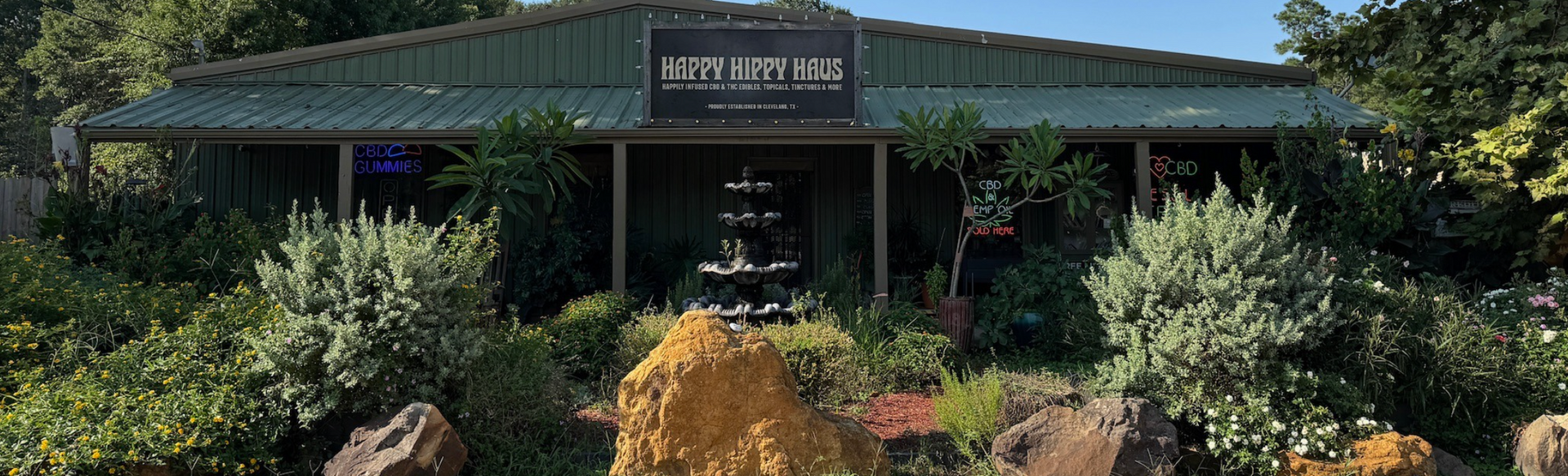
At Happy Hippy Haus, education is always part of the conversation. When someone walks into the shop, we take time to talk about the differences between cannabinoids, delivery methods, and product types.
We listen first. Then we help guide people through the information so they can make decisions that work for them.
And as always, if you have medical conditions, take medications, or are exploring cannabinoids for health reasons, it’s important to speak with your healthcare provider before introducing anything new.
The goal is never to replace medical care. The goal is education.
When people understand the language, they understand the plant.
And when people understand the plant, they can use it responsibly.
Sources
United States Department of Agriculture
Hemp Production and the 2018 Farm Bill
National Institute on Drug Abuse
Cannabis Drug Facts
Harvard Health Publishing
CBD vs THC: What’s the Difference
World Health Organization
Cannabidiol Critical Review Report